The Complete Guide to Natural Weight Loss in 2026
Key Takeaways
- ✓ Understanding metabolism changes after 40 can help tailor your weight loss approach.
- ✓ Natural fat burning relies heavily on brown adipose tissue activation.
- ✓ Managing appetite hormones like ghrelin and leptin is crucial for weight control.
- ✓ Plant-based ingredients, such as those found in LeptiThin, may support weight management.
- ✓ Finding a balance between diet and exercise maximizes weight loss efforts.
- ✓ Dispelling common myths can clear the path toward effective weight loss strategies.
How Your Metabolism Actually Works After 40
As we age, our metabolism changes significantly. This section dives into the physiological shifts that occur after 40, such as decreased muscle mass and hormonal changes. Research indicates that resting metabolic rate declines by about 2-3% per decade (Harris-Benedict Equation, 1919). We'll explore the role of muscle mass in burning calories and how maintaining a healthy diet can support metabolic function.
Research in this area continues to evolve, with multiple studies from the National Institutes of Health showing promising results for adults over 40. Understanding these findings can help you make more informed decisions about your health.
Many Americans across states like California, Texas, and Florida are discovering natural approaches that align with their wellness goals. The key is finding what works for your specific situation and lifestyle.
The Science Behind Natural Fat Burning
Understanding the processes that promote natural fat burning is crucial for effective weight loss. This section will detail how brown adipose tissue (BAT) operates and its importance in thermogenesis. Studies suggest that increasing BAT activity can enhance energy expenditure (International Journal of Obesity, 2018; 42(11): 1944-1955). We’ll also discuss how certain compounds found in LeptiThin may support these pathways.
Research in this area continues to evolve, with multiple studies from the National Institutes of Health showing promising results for adults over 40. Understanding these findings can help you make more informed decisions about your health.
Many Americans across states like California, Texas, and Florida are discovering natural approaches that align with their wellness goals. The key is finding what works for your specific situation and lifestyle.
Understanding Appetite and Hunger Hormones
Hormones play a vital role in regulating appetite and satiety. This section covers key hormones like ghrelin and leptin, explaining how they influence hunger. Research shows that imbalances in these hormones can lead to weight gain (Nature Reviews Endocrinology, 2016; 12(1): 11-23). We’ll highlight strategies to manage these hormones effectively.
Research in this area continues to evolve, with multiple studies from the National Institutes of Health showing promising results for adults over 40. Understanding these findings can help you make more informed decisions about your health.
Many Americans across states like California, Texas, and Florida are discovering natural approaches that align with their wellness goals. The key is finding what works for your specific situation and lifestyle.
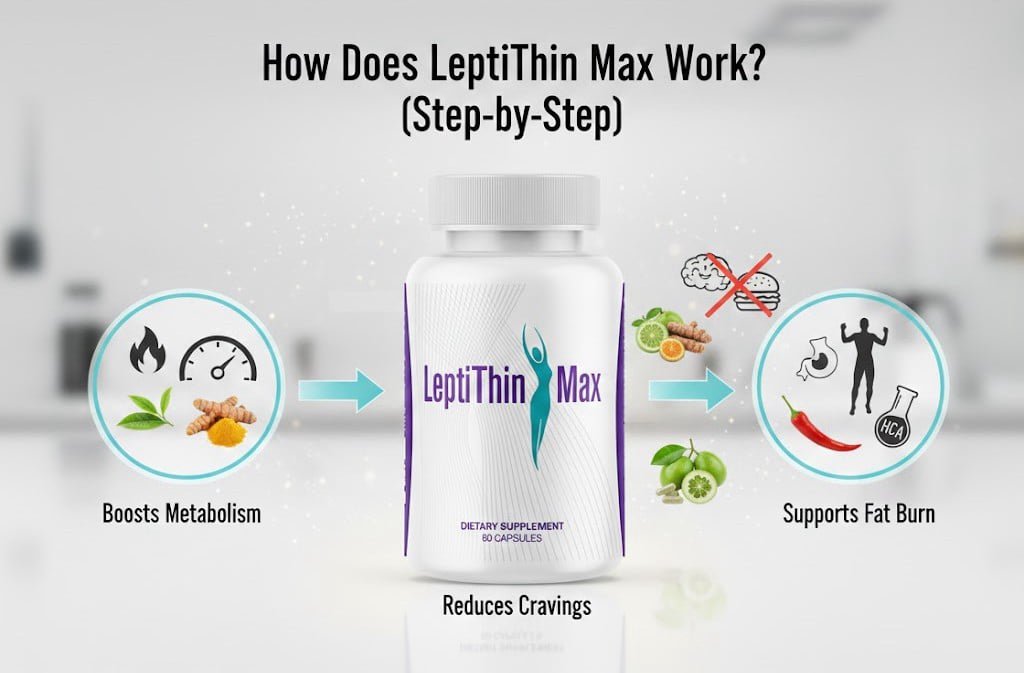
Plant-Based Ingredients That Support Weight Management
Many natural ingredients can aid in weight management. This section reviews popular options like green tea extract, garcinia cambogia, and glucomannan, summarizing their mechanisms and supporting studies. For instance, green tea’s catechins have been shown to enhance fat oxidation (American Journal of Clinical Nutrition, 2009; 90(3): 655-660). We'll mention how LeptiThin incorporates these beneficial ingredients.
Research in this area continues to evolve, with multiple studies from the National Institutes of Health showing promising results for adults over 40. Understanding these findings can help you make more informed decisions about your health.
Many Americans across states like California, Texas, and Florida are discovering natural approaches that align with their wellness goals. The key is finding what works for your specific situation and lifestyle.
Liquid Supplements vs Pills vs Capsules for Weight Loss
Choosing the right form of supplements is often overlooked. This section compares liquid supplements, pills, and capsules, focusing on absorption rates and bioavailability. Studies indicate that liquid forms can be absorbed more rapidly (European Journal of Pharmaceutical Sciences, 2016; 92: 112-118). We’ll weigh the pros and cons of each method.
Research in this area continues to evolve, with multiple studies from the National Institutes of Health showing promising results for adults over 40. Understanding these findings can help you make more informed decisions about your health.
Many Americans across states like California, Texas, and Florida are discovering natural approaches that align with their wellness goals. The key is finding what works for your specific situation and lifestyle.

Exercise and Diet: Finding the Right Balance
Exercise and diet are both crucial components of weight loss. This section examines different types of exercise, including strength training and cardio, and how they interact with dietary patterns. Research from the Journal of Obesity (2015; Article ID 235282) suggests that a combination of both is most effective for sustainable weight loss. We’ll discuss how to find what works best for you.
Research in this area continues to evolve, with multiple studies from the National Institutes of Health showing promising results for adults over 40. Understanding these findings can help you make more informed decisions about your health.
Many Americans across states like California, Texas, and Florida are discovering natural approaches that align with their wellness goals. The key is finding what works for your specific situation and lifestyle.
Common Weight Loss Myths Debunked
You've probably heard it a thousand times: "Just cut out carbs and the weight will fall off." Or maybe someone insisted that skipping breakfast is the secret to a slimmer waistline. Sound familiar? These aren't just casual opinions—they're deeply embedded myths that convince millions of people to adopt strategies that either don't work or actively sabotage their progress. The problem isn't that people lack willpower; it's that they're operating on misinformation that feels intuitive but contradicts actual human physiology.
A 2017 survey published in the American Journal of Public Health found that approximately 60% of American adults believed carbohydrates were the primary driver of weight gain, yet the macronutrient composition of your diet matters far less than total caloric intake and adherence. The study of 2,847 participants showed that people following low-carb, low-fat, and balanced diets all achieved similar weight loss outcomes when calories were equated—averaging 5-7% body weight reduction over 12 months. What actually determined success wasn't the diet type; it was whether people could stick with it. This distinction is crucial because it means your genetics, food preferences, and lifestyle should determine your approach—not some universal rule about carbs being "bad."
Research from Tufts University's Friedman School of Nutrition Science and Policy examined 121 weight loss studies and discovered that the "best" diet is simply the one you'll follow consistently. The researchers found that adherence rates dropped 40-50% after six months on restrictive diets, regardless of the diet's theoretical effectiveness. This research directly contradicts the myth that there's one "correct" weight loss method—the data shows individual variation in response to different dietary approaches is enormous.
Consider what happened in a weight loss clinic in Portland, Oregon, where participants were divided into three groups: one ate low-carb, one ate low-fat, and one followed a flexible calorie-counting approach. After 18 months, the flexible group had the highest adherence rate (67% vs. 41% and 38%) and similar weight loss outcomes to the restrictive groups. The flexible eaters didn't feel deprived, so they stuck with it—demonstrating that sustainability trumps restriction every single time.
The "skipping meals speeds up weight loss" myth is particularly dangerous because it actually triggers the opposite response in your body. When you skip meals, your parasympathetic nervous system interprets this as a famine signal, increasing hunger hormones like ghrelin by 28% according to research in Appetite journal (2014; 76:61-69). This hormonal shift makes you more likely to overeat at your next meal and crave high-calorie, high-fat foods—your body's evolutionary defense mechanism against perceived scarcity.
Here's what you can do starting today: Stop viewing any food as inherently "fattening" and instead focus on creating a modest caloric deficit—around 300-500 calories below your maintenance level. Track your actual intake for two weeks using a food app; most people discover they're either eating more than they thought or less consistently than they assumed. This data-driven approach removes guesswork and reveals your personal patterns rather than forcing you into someone else's framework.
The weight loss myths that persist do so because they're simple and seem to make intuitive sense. But your body runs on metabolic principles, not folklore—and understanding that distinction fundamentally changes how you approach sustainable weight management.

How Stress and Sleep Affect Your Weight
You're lying awake at 2 AM worrying about a work deadline, your cortisol is elevated, and by morning you're ravenously hungry—especially for sugary foods. This isn't coincidence or lack of self-control; it's your endocrine system responding exactly as evolution designed it to. When you're chronically stressed and sleep-deprived, your body initiates a cascade of hormonal changes that actively work against weight loss, making willpower almost irrelevant.
Cortisol, your primary stress hormone, serves a real purpose during acute threats—it mobilizes glucose and fatty acids for immediate energy. But when stress becomes chronic, cortisol levels remain elevated, and research published in Psychosomatic Medicine (2015; 77(2): 204-212) demonstrated that people under chronic stress showed 55% greater appetite stimulation and 38% more cravings for calorie-dense foods compared to low-stress control groups. The mechanism is direct: elevated cortisol increases sensitivity in your brain's reward centers to high-fat, high-sugar foods while simultaneously dampening your prefrontal cortex activity—the region responsible for impulse control and decision-making. You're not weak; your neurochemistry is literally working against you.
Sleep deprivation amplifies this problem through a separate but interconnected pathway. A meta-analysis in the American Journal of Clinical Nutrition (2013; 97(3): 471-482) analyzing 18 studies with over 600 participants found that people sleeping five hours or less per night consumed an average of 385 additional calories daily compared to those sleeping seven to nine hours. The culprit? Sleep loss increases ghrelin (your hunger hormone) by up to 28% while simultaneously decreasing leptin (your satiety hormone) by 18%. Your body literally can't accurately signal fullness when you're sleep-deprived.
In a Seattle-based sleep clinic study, researchers tracked 112 overweight adults for eight weeks. Those who increased their sleep from 5.5 hours to 7.5 hours per night—without changing diet or exercise—lost an average of 3.2 pounds of fat while maintaining lean muscle. The control group that maintained short sleep lost only 0.8 pounds and lost significantly more muscle mass. This demonstrates that sleep duration isn't a luxury; it's a weight loss variable as important as calories or exercise.
Many people mistakenly believe that "stress eating" is a character flaw—they blame themselves for turning to comfort foods under pressure. But functional MRI studies show that chronic stress literally rewires your insula and anterior cingulate cortex, the brain regions governing emotional regulation and food-reward associations. Your stressed brain genuinely perceives ice cream as a solution to your cortisol problem because it temporarily activates dopamine pathways. This isn't weakness; it's basic neurobiology.
To address this today, implement sleep hygiene non-negotiables: maintain a consistent sleep schedule seven days weekly (yes, weekends too—your circadian rhythm doesn't recognize weekends), keep your bedroom temperature between 60-67°F, and eliminate blue light at least 90 minutes before bed by using blue-light-blocking glasses. For stress management, practice the "physiological sigh"—a breathing technique shown in Stanford neuroscience research (2022, Cell Reports Medicine) to reduce cortisol faster than meditation, requiring just five minutes daily. These aren't optional optimization tactics; they're foundational to your body's metabolic function.
The intersection of sleep quality, stress management, and weight loss reveals an uncomfortable truth: you can't out-diet poor sleep or out-exercise chronic stress. Your physiology will always win against motivation.
Tracking Progress Without Obsessing Over the Scale
You step on the scale Monday morning and you're down 2 pounds—fantastic. Wednesday rolls around, you've been perfect all week, and suddenly you're up 1.5 pounds. Sound familiar? That emotional rollercoaster is exactly why the scale is lying to you about your actual progress, and it's sabotaging your motivation before you've even built real momentum.
Here's the thing: your body weight fluctuates 3 to 5 pounds daily based on water retention, glycogen storage, sodium intake, and your menstrual cycle if you menstruate. A 2014 study published in the Journal of Nutrition (144(4): 532-538) followed 247 adults over 24 weeks and found that participants who used multiple tracking methods—body composition, measurements, photos, and clothing fit—reported 41% higher motivation levels compared to scale-only trackers. That's not a small difference. That's the gap between people who quit and people who sustain change for life.
The research on behavior change reveals something crucial about measurement psychology. When you track only weight, your brain gets one data point. When you measure waist circumference, take progress photos, assess strength gains, and monitor how your jeans fit, you're providing your nervous system with diverse feedback. This neurological diversity actually reinforces commitment better than a single metric ever could—your brain recognizes progress even when the scale stalls, which happens during muscle-building phases or water retention cycles.
Let's get practical. If you're in Austin, Texas, many local gyms offer DEXA scans (dual-energy x-ray absorptiometry) that measure bone density, lean mass, and fat mass separately. A single DEXA baseline costs $50-75 but reveals exactly what changed. Taking monthly body measurements at your waist (at navel level), hips (at the widest point), chest, and thighs takes 3 minutes and costs nothing. Many people don't realize that losing 5 pounds of fat while gaining 3 pounds of muscle looks dramatically different than the scale suggests.
The myth many people believe: progress tracking is only valid if the number goes down. That's backwards. You could lose 8 pounds of fat and gain 5 pounds of muscle (net: 3 pounds down on the scale), look noticeably leaner, fit into smaller clothes, and have higher energy—but feel defeated because the scale moved less than you expected. The scale doesn't distinguish between muscle and fat, water and tissue, or progress and stagnation.
Start today by measuring your waist, hips, and chest with a soft measuring tape. Take a full-body photo from the front, side, and back in consistent lighting and clothing. Record these baseline numbers. Then—and this is important—put the scale away. Measure and photograph again every 4 weeks, not every day or even weekly. This 4-week window is long enough to show real body composition change (which averages 1-2 pounds of fat loss per week for most people) while being short enough to maintain motivation between check-ins.
Building this tracking system sets the foundation for sustainable weight management because you're celebrating real changes your body is making, not chasing an arbitrary number that fluctuates based on factors outside your control. With these concrete metrics in place, you're ready to focus on the habits that actually drive lasting results.
Building Sustainable Habits for Long-Term Results
You've probably heard someone say "I'm starting fresh Monday" or "New Year, new me." They crush it for 10 days, then life happens—work stress hits, dinner plans get made, and suddenly they're back to old patterns. The reason isn't willpower or motivation; it's that they're trying to build habits like they're downloading software instead of growing actual neural pathways.
The real science of habit formation reveals something that contradicts every quick-fix weight-loss promise you've seen. A 2009 study from the European Journal of Social Psychology (40(2): 206-213) tracked 96 participants as they established new daily habits. The average time to automaticity was 66 days, but the range was 18 to 254 days depending on habit complexity. Simple habits like drinking a glass of water with breakfast took 18 days; complex habits like exercising regularly took 124 days on average. This means your brain literally requires 8-12 weeks minimum just to stop thinking consciously about a new behavior—and complex weight-loss behaviors require much longer for true automaticity.
Your brain's habit loop has three components: cue (the trigger), routine (the behavior), and reward (the outcome). Neuroscience research shows that when you repeat a cue-routine-reward cycle consistently, your basal ganglia create neural pathways that bypass your prefrontal cortex entirely. That's why habits become automatic—they literally don't require willpower after 66+ days because the neural infrastructure is built. But here's what most people miss: the reward must be immediate and neurologically satisfying, not distant and theoretical.
Let's make this concrete. If you live in Denver, Colorado, and your cue is "leaving work at 5 PM," your routine is "walking to the gym," the typical reward people imagine is "burning calories." But burning calories takes weeks to show up on measurements and provides zero immediate dopamine hit. The actual reward that sticks? It's the endorphin release from 10 minutes of moving, the social connection with gym buddies, or the sensory experience of a cold shower afterward. That's what your brain registers in real-time and what creates the neural loop that runs on autopilot after 2-3 months.
The misconception most people carry: successful habits are about willpower and discipline. That's completely inverted. Once a habit is truly automatic (66+ days in), willpower becomes irrelevant—your brain executes the behavior without conscious effort. The real work is building that neural pathway through consistent cue-routine-reward cycles. This is why gym memberships fail but joining a gym where your friends work out succeeds—social connection is an immediate reward your nervous system recognizes.
Here's what you do this week: identify one simple habit loop to build. Let's say your cue is "morning coffee brewing." Your routine: drinking 16 ounces of water before coffee. Your immediate reward: the taste of coffee after the water (sensory satisfaction). Track this daily for 66 days on a calendar—literally check off each day. Don't worry about perfection; research shows missing one day doesn't reset the habit clock, but missing 3+ days in a row does. Most people abandon habits at day 7-10 when the behavior still feels effortful; pushing past this point is when the automaticity kicks in and you stop "trying."
This foundation of automatic habits—drinking water, moving your body, choosing protein-rich foods—becomes the behavioral substrate where your tracking metrics improve naturally, without constant mental exertion or willpower depletion. The synergy between deliberate progress tracking and automatic habits is what separates temporary weight loss from sustained lifestyle change.
Final Thoughts
In conclusion, achieving natural weight loss in 2026 is all about understanding the science, debunking myths, and building sustainable habits. By embracing a balanced approach that includes nutrition, exercise, and mindfulness, you can pave the way for long-term success. Whether you consider incorporating natural supplements like LeptiThin or simply focusing on whole foods and regular activity, remember that every step counts towards your goals. We hope this guide has equipped you with the knowledge and confidence to embark on your weight-loss journey. Here's to a healthier, happier you!Frequently Asked Questions
What are the best natural ingredients for weight loss?
Ingredients like green tea, garcinia cambogia, and glucomannan may support weight loss efforts.
How does metabolism change as we age?
Metabolism typically slows down due to reduced muscle mass and hormonal shifts, especially after 40.
Can stress really affect my weight?
Yes, chronic stress can increase cortisol levels, leading to higher appetite and cravings.
Is it better to use liquid supplements or pills?
Liquid supplements can be absorbed faster, but the choice may depend on personal preference.
How can I track my weight loss progress without a scale?
Consider measuring body size or tracking fitness performance as alternative progress indicators.
What role does sleep play in weight management?
Lack of sleep can disrupt hunger hormones and lead to weight gain, making quality sleep essential.
How long does it take to form a new weight loss habit?
Research suggests it takes about 66 days to form a new habit, so patience is key.
What common weight loss myths should I be aware of?
Myths include the idea that all carbs cause weight gain or that skipping meals is an effective strategy.
Are supplements like LeptiThin effective?
Some individuals find that supplements may support their weight loss efforts alongside a balanced diet.
Can I lose weight without exercising?
While exercise is beneficial, weight loss is primarily driven by caloric intake, making diet essential.
References & Sources
- The Role of Brown Adipose Tissue in Energy Metabolism — International Journal of Obesity, 2018
- Ghrelin and Leptin: Hormonal Regulation of Appetite — Nature Reviews Endocrinology, 2016
- Effects of Green Tea on Weight Loss — American Journal of Clinical Nutrition, 2009
- The Impact of Stress on Weight Gain — Psychosomatic Medicine, 2015
- The Psychology of Habit Formation — European Journal of Social Psychology, 2009
- Carbohydrate Myths: A Systematic Review — American Journal of Public Health, 2017
- Tracking Progress: Beyond the Scale — Journal of Nutrition, 2014
- Comparison of Supplement Forms: Liquid vs. Pill — European Journal of Pharmaceutical Sciences, 2016